
The effects of alcohol on your body can also increase the likelihood of waking up during the second half of the night. Alcohol can exacerbate several sleep disorders, including sleep apnea. Sleep apnea is when throat muscles intermittently relax and block the airway during sleep, leading to symptoms such as snoring. Studies show that even moderate alcohol consumption can lead to reduced REM sleep.6 Aside from sleep disruptions, consuming alcohol before bed can also affect your body in other ways. Given that sleep isn’t a reliable method for sobering up, it’s crucial to adopt safe practices when consuming alcohol. Responsible drinking starts with understanding your limits and adhering to recommended guidelines.
What are other side effects of alcohol I should be aware of?
Alcohol will undoubtedly help to send you off to sleep as it actually works on the same receptors in the brain that are targeted by some sleeping tablets. It’s probably been ‘helping’ us to sleep since we discovered how to make it at least 9,000 years ago. Other popular months to stop drinking include September and October, which you’ll often see referred to as Sober September and Sober October.
Understanding the effects of alcohol on sleep
When you consume alcohol before bedtime, REM sleep typically pays the price. If you’ve ever had a drink or two and fallen asleep only to wake up at 2 or 3 a.m., there’s also a reason for that. As alcohol wears off, it can cause a withdrawal effect that can wake you up.
Contributes to Insomnia
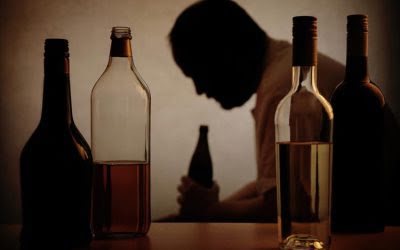
Using ride-sharing services, taxis, or public transportation can prevent the dangerous and illegal act of driving under the influence. However, relying on sleep to sober up can be dangerous for several reasons. First, alcoholism if you’ve consumed a large amount of alcohol, you may still be intoxicated when you wake up, even after several hours of sleep. This can lead to poor decision-making and potentially dangerous situations, such as driving while still under the influence.
Understanding the Sleep Cycle
Ashwagandha has a reputation for being https://senal.nl/pathogenesis-and-management-of-alcoholic-liver/ a powerful medicinal plant. It’s just as important as a nutritious diet and regular exercise. However, it’s important to understand that people react to treatment differently. Talk to an addiction specialist to find the right treatment option for you. BetterHelp offers affordable mental health care via phone, video, or live-chat.
- Even if it doesn’t present as a full-fledged hangover, alcohol-related sleep loss negatively affects mood and performance.
- If you drink alcohol at night and have trouble falling or staying asleep, you might wonder how long you should wait between your last drink and going to bed so your sleep isn’t impacted.
- Taking these with alcohol can be dangerous as alcohol depresses the central nervous system on its own.
Drops in blood oxygen levels (desaturations) become more pronounced and can in severe cases lead to hypercapnia (increased carbon dioxide), a potentially fatal condition. Using alcohol to sleep is a more common practice than you think but it’s also a false economy. Yes you’ll initially feel drowsy after a couple of drinks (depending on what you’re drinking), but experts say that it does more harm then good.
What happens when you mix alcohol and sleeping pills?
Heavy drinking, especially when paired with insufficient sleep, increases the likelihood of this daytime sleepiness. In people with alcohol use disorder, excessive daytime sleepiness may happen during periods of both drinking and abstinence. As a general rule, stick to having a drink with a gap of at least 4-5 hours before bedtime – as it takes one hour to metabolize a full glass of alcohol.
- The sleep notes feature within the Sleep Cycle app allows users to tag a number of activities (such as alcohol consumption, exercise, etc.) that they’ve undertaken before bedtime.
- Other, generalised sedative effects Alcohol can increase the sedative effects of medications that you may be taking for other conditions.
- Guidelines for safe nightcap consumption typically recommend limiting intake to one standard drink per day for women and up to two for men.
- I have to tell you, you are the only guest we have where the goal is to put people to sleep with the conversation.
Plenty of research suggests that the initial sedative effect of alcohol will wane as its levels in the blood decrease. This means that there may be a reduction in sleep onset latency (the time it takes to fall asleep) but you’ll run the risk of disruption to you sleep later in the night. Since alcohol affects everyone differently, it’s important to understand where your limit lies and how much alcohol you can does liquor help you sleep drink before it starts to affect your sleep. People who wake up tired every morning may be more likely to lean back in to drinking to help them sleep better.
The Bottom Line: Is Alcohol Worth It?
When considering a nightcap, it’s essential to balance any potential benefits with the known risks of alcohol consumption on sleep quality. Factors such as alcohol content, timing of consumption, individual tolerance, and potential interactions with medications should all be carefully considered. Natural sleep aids and supplements, such as melatonin, magnesium, and valerian root extract, are also popular alternatives to alcoholic nightcaps. However, it’s important to consult with a healthcare professional before starting any new supplement regimen, as these products can have side effects and interactions with medications. It’s clear that using alcohol as a sleep aid leads to poorer sleep and disrupted sleep can lead to an even greater dependence on alcohol. No wonder addiction feeds off this debilitating cycle and insomnia in young adults prevails.